
Have a service question? Explore garage door services and local service areas, or call to discuss the next step.
Why the door can suddenly feel different
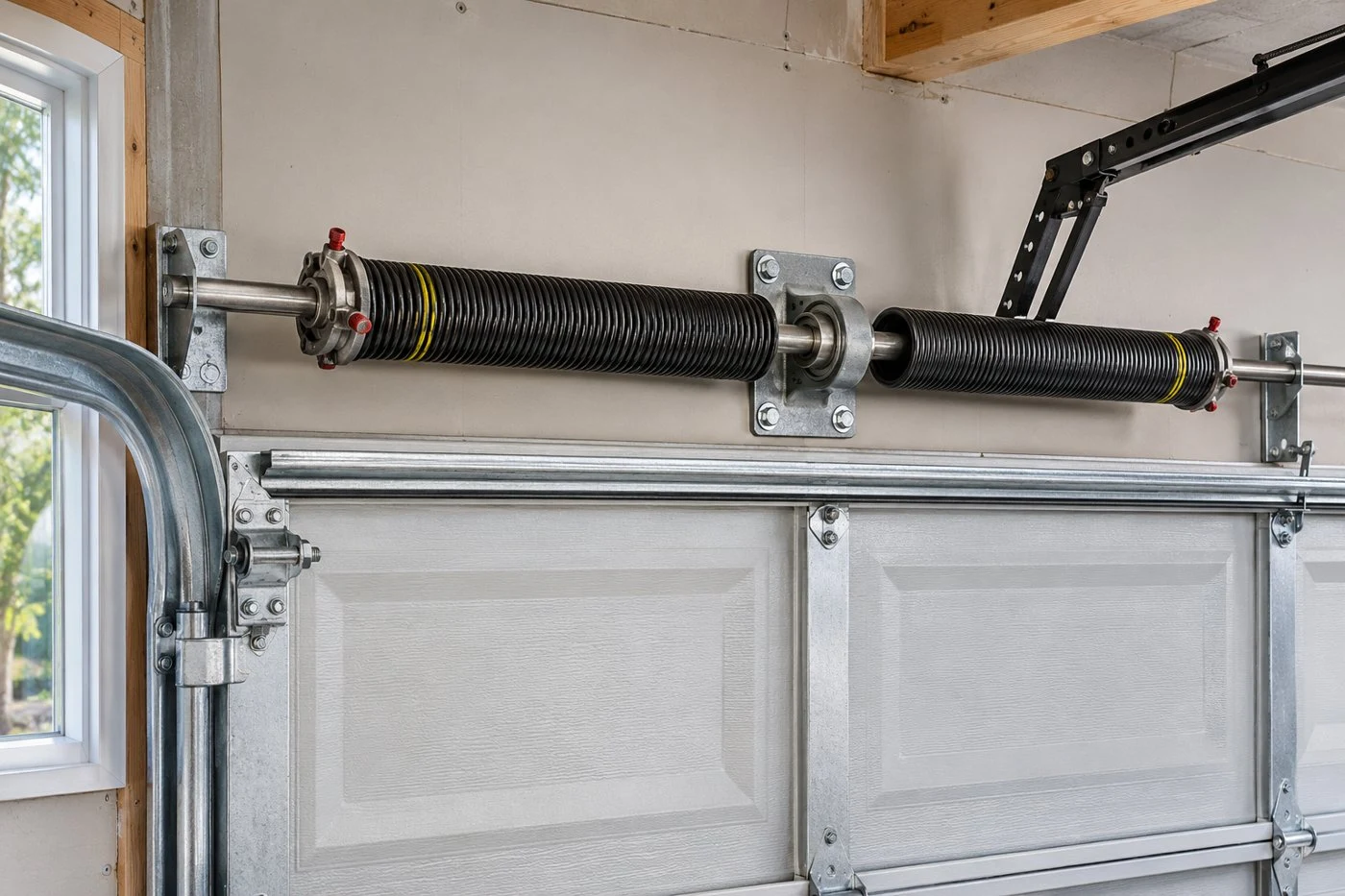
The spring system helps counterbalance the door weight. When that system changes, the opener may struggle or the door may sit unevenly even though the motor still runs. A bang followed by very limited movement is a useful clue to describe, but it does not establish the whole repair scope. Stop repeated testing and keep the opening clear. Do not attempt to compare the weight by disconnecting a raised door or lifting an unstable assembly by hand.
Spring selection is specific to the assembly
The door weight, dimensions and lifting configuration all matter when a spring system is assessed. Added insulation, replacement sections or earlier hardware changes can be relevant history. An approximate width, a color mark or an online part description is not enough to establish the suitable components. Describe known changes during the call and leave selection to an assessment of the actual door. Springs, cables, drums and related fixtures should be considered together.
Put the opening and daily use in context
For a garage in Norristown and selected Bucks, Chester and Montgomery County communities, explain the access route and the way the building is used. An attached garage with occupied rooms nearby raises different questions from a detached storage space. Low headroom, ceiling storage, a shared drive and a garage without another entrance are practical details to mention. If the request follows an impact or work on the driveway, say so. These observations help frame the scope without asking you to inspect loaded hardware or make a diagnosis.
The parts you should leave alone
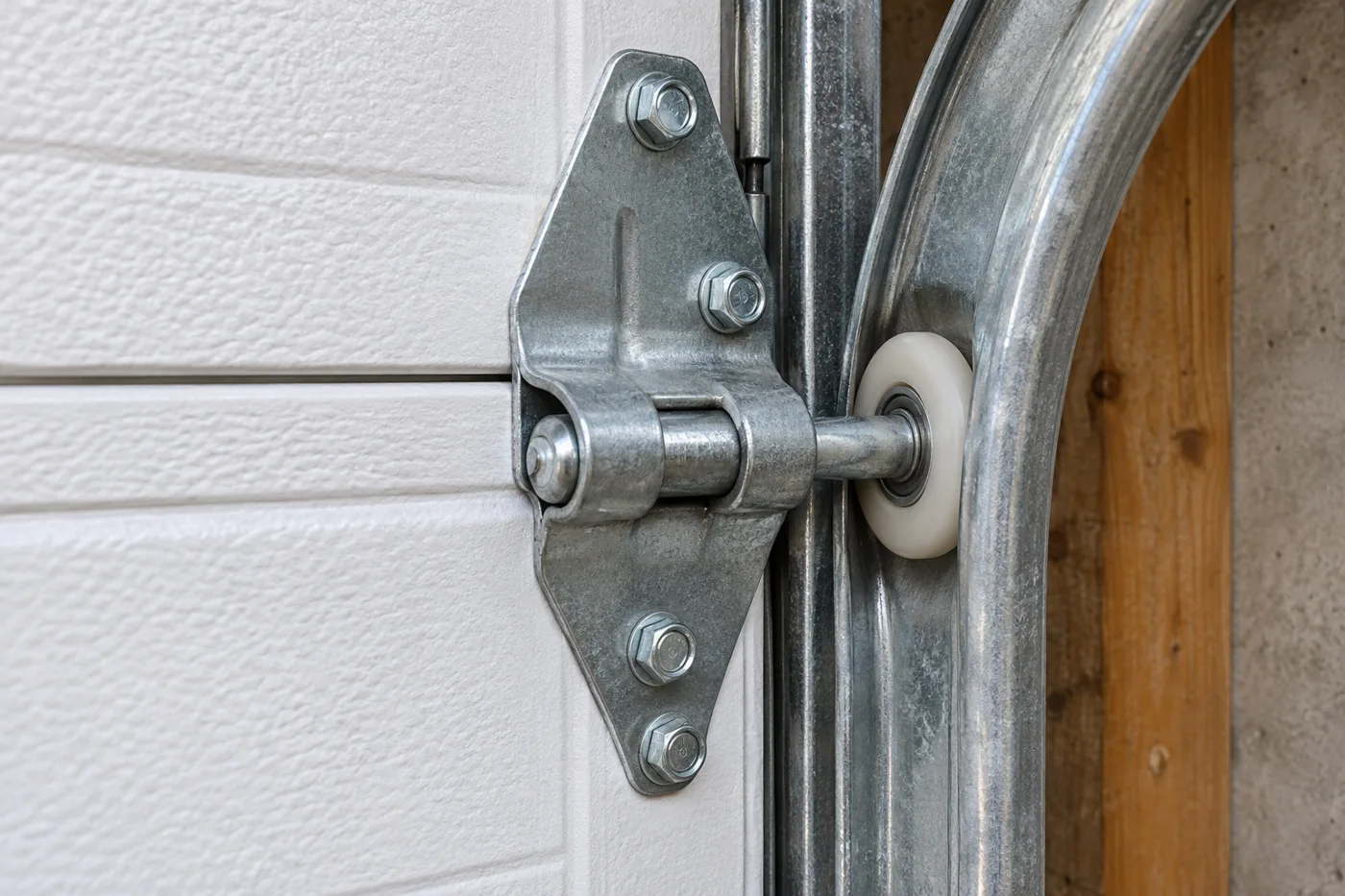
Spring systems and associated lifting hardware can store significant energy. Bottom brackets, cables and a spring that looks stationary may still be loaded. Do not remove a fixture, unwind a spring, pull a loose cable back onto a drum or improvise a support. Keep people away from the opening, particularly if the door is partially raised or leaning. If there is another entrance, use it. Explain a trapped vehicle without trying to free it by forcing the door.
Questions that clarify the proposed work
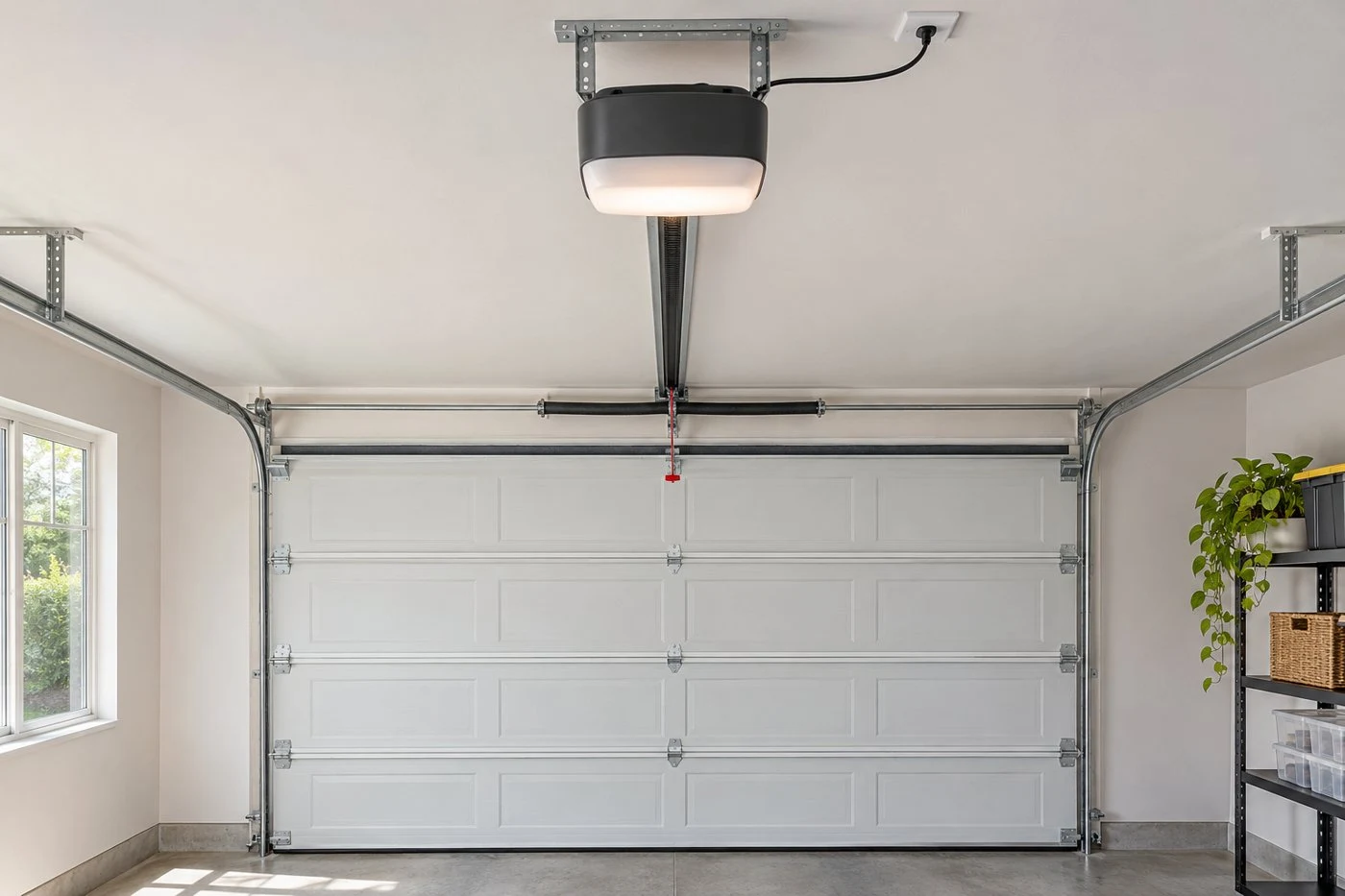
Ask what the assessment found, which components are included and why related hardware is being considered. If the discussion includes more than one spring, ask how that relates to the configuration and condition of this door. The conversation should also address balanced travel and how the operator safety system will be checked afterward. Replacing a visibly failed component is not the same as understanding why the complete assembly was operating poorly.
What to have ready when calling
Know whether the door is closed, open or stuck partway, and describe the last normal movement you observed. Mention a bang, a visible gap in a spring if already apparent from a safe distance, and whether a cable is loose. Do not get closer just to gather details. Have property access information ready and explain another garage entrance if one exists. Call to discuss the request, confirm the next step and establish appointment timing by phone.
A short checklist for the conversation
Have five things ready: the door position, the change you noticed, any safely visible model information, access restrictions and the question you want answered. Separate urgent access needs from preferences for a future upgrade. Ask which parts of the system need assessment and what would be retained or changed. Confirm the service scope and appointment timing by phone. This guide is for recognition and planning; it is not an instruction to adjust springs, cables, loaded fixtures or safety systems.
Further reading
DASMA garage door system safety
CPSC: automatic garage door opener safety
Follow the instructions for the exact door and opener. This guide supports recognition and planning; leave loaded hardware and safety-system work to a suitable assessment.